Old vs New Dubai from the Dubai Frame – Views Explained
Stand on the Dubai Frame sky deck and decode Old vs New Dubai: landmarks, neighborhoods, and what they reveal about the city's past and future.
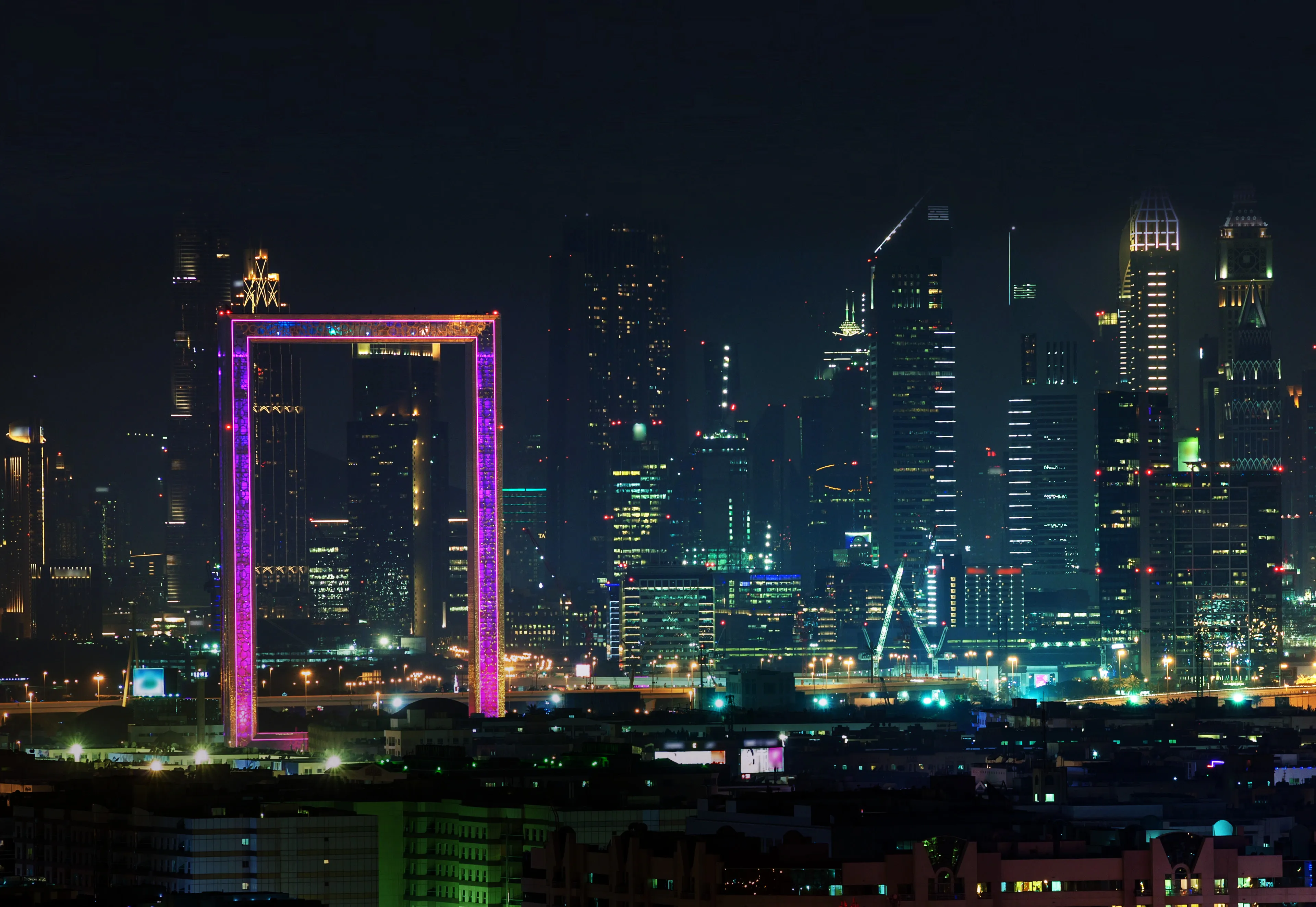
When you step onto the Dubai Frame Sky Deck, you're standing at a literal and symbolic border between Old Dubai and New Dubai.
Look left, look right – you're seeing two different cities in one glance.
1. Orient yourself: which side is which?
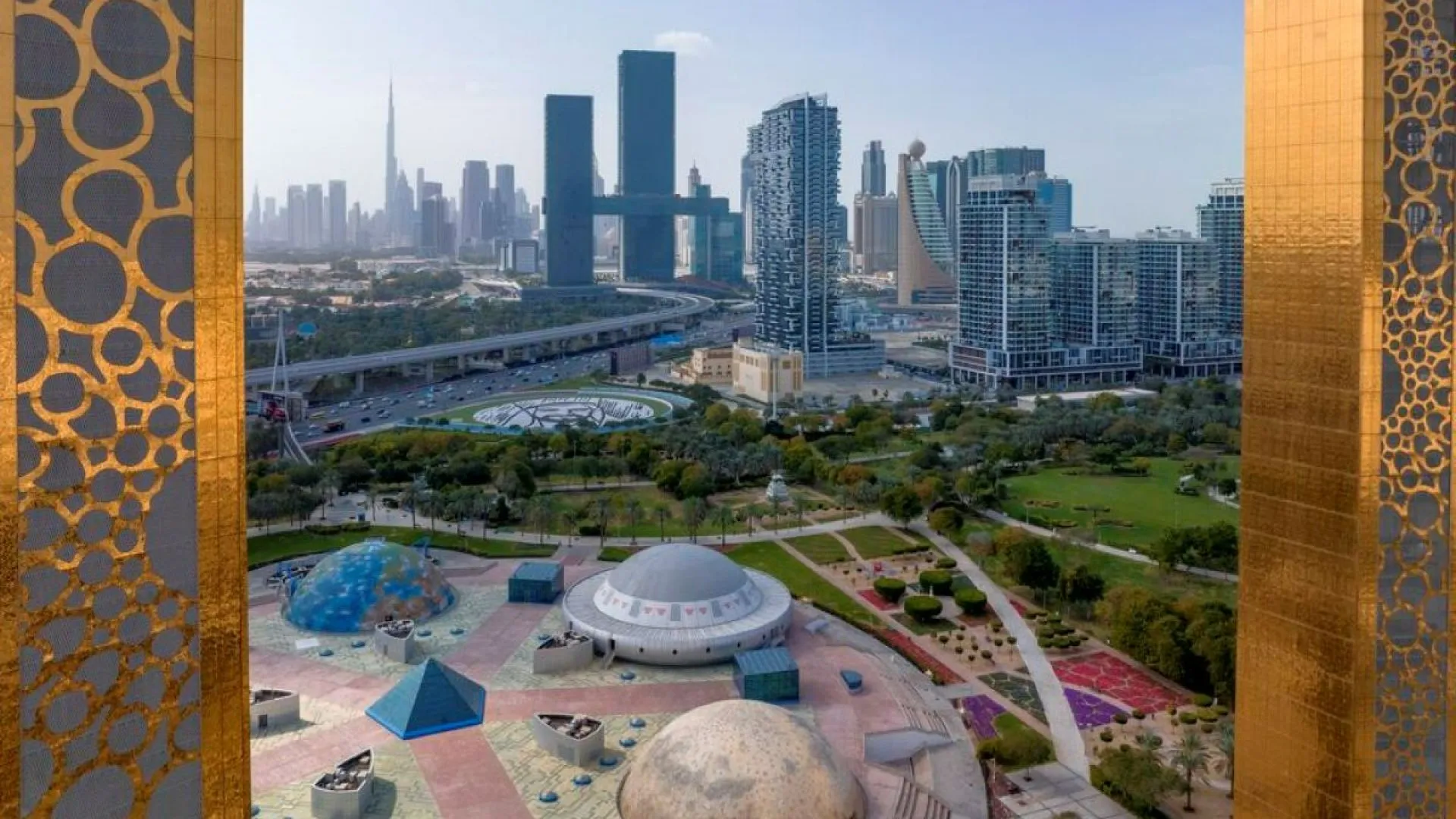
On the Sky Deck you'll notice signs and labels pointing out Old and New Dubai.
- North side → Old Dubai (Deira, Karama, Dubai Creek area).
- South side → New Dubai (Downtown, Business Bay, stretching towards Marina in the distance).
🔁 Take a slow 360° walk: stop at each window, compare building heights, street patterns, and colors.
2. What you see in Old Dubai (north side)
Key features
- More low- to mid-rise buildings.
- Tighter street grids and older residential areas.
- Glimpses of Dubai Creek and its traditional trading zones.
Look for:
- Mosques with minarets breaking the skyline.
- Busy, compact areas like Karama and Deira.
- Clusters of older apartment blocks painted in warm tones.
What it tells you about Dubai
- This is where Dubai started to grow in the 20th century.
- You can imagine a time when boats and dhows were more important than skyscrapers.
- Many workers and long-term residents still call this area home.
3. What you see in New Dubai (south side)
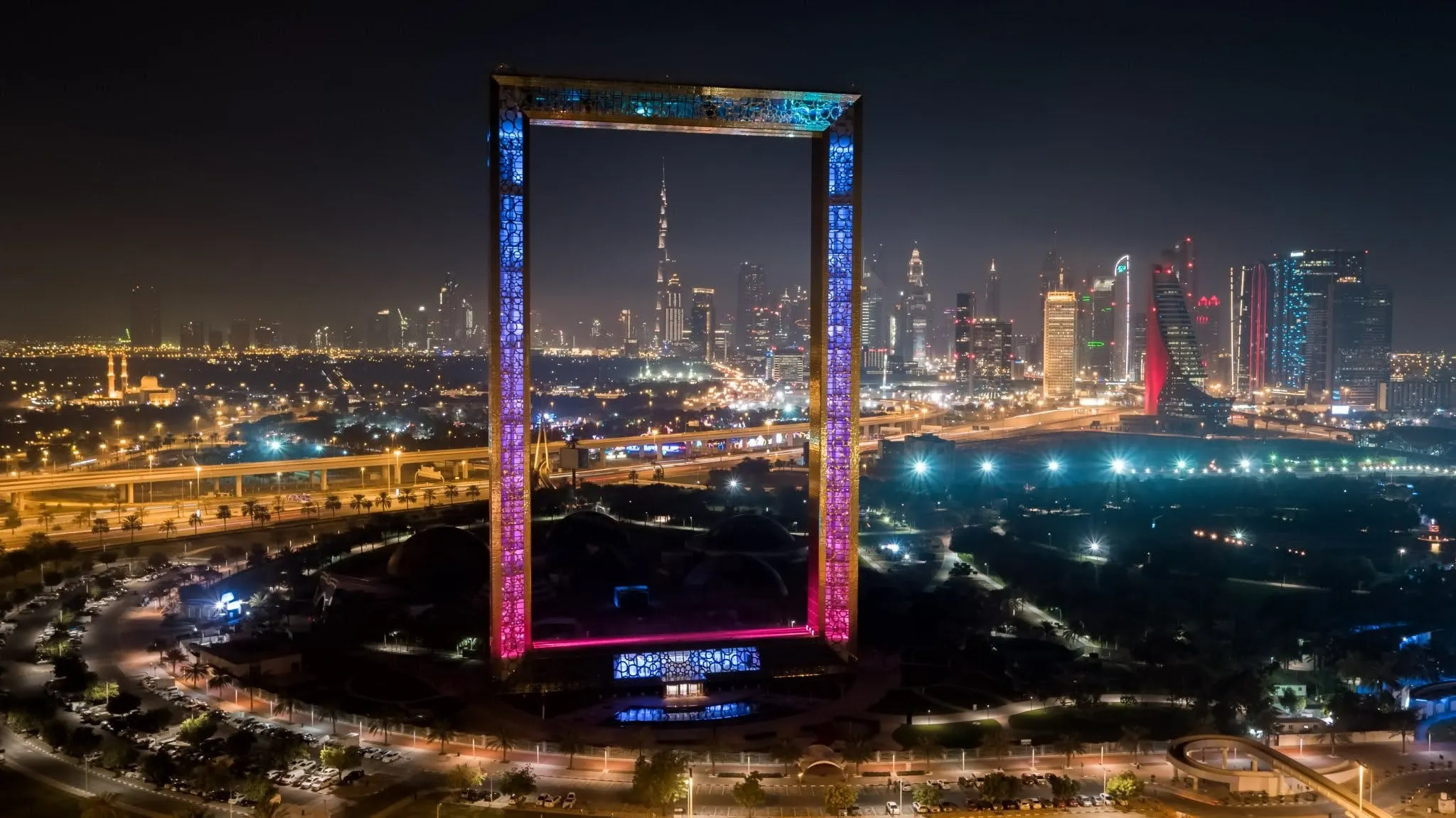
Key features
- Skyscrapers: Downtown Dubai and Business Bay towers.
- The unmistakable Burj Khalifa on clear days.
- Wider roads and bigger building footprints.
You are looking at:
- The global business face of Dubai.
- Luxury hotels, high-end apartments, and huge malls.
- A skyline still evolving with cranes and new towers.
What it tells you about Dubai
- The city's ambition to be a global hub.
- A taste of Dubai's investments in tourism, finance, and real estate.
- How quickly the desert can become a dense urban environment.
4. Side-by-side comparison: Old vs New Dubai
| Feature | Old Dubai (north) | New Dubai (south) |
|---|---|---|
| Building height | Mostly low to mid-rise | High-rise and skyscrapers |
| Street layout | Tighter, organic | Wider, planned boulevards |
| Main activities | Trade, markets, local life | Business, tourism, luxury retail |
| Atmosphere | Historic, lived-in | Futuristic, polished |
Standing in the Frame gives you a live infographic instead of a textbook.
5. How to use the view as a mini tour
Try this 5-step mini tour while you walk around the deck:
- Start with Old Dubai – pick one neighborhood and trace its edges.
- Rotate to New Dubai – find the tallest towers and imagine their construction.
- Look straight down at Zabeel Park – a green buffer between two worlds.
- Return to Old Dubai and notice the difference in street density.
- Finish at Future Dubai tunnel – see how the city imagines its next chapter.
📝 Bonus idea: Take a notebook or a notes app and write 3 words that capture each side. Compare with your travel partner.
6. Best time to appreciate the contrast
The contrast is strongest when light and shadow help separate shapes.
Morning
- Clear views with less haze.
- Great for seeing details in older neighborhoods.
Late afternoon / sunset
- Warm light makes glass towers glow.
- Old Dubai takes on a soft, golden tone.
- The sky transitions from blue to orange to deep indigo.
Night
- New Dubai becomes a sea of lights and reflections.
- Old Dubai is still active but visually quieter.
- You see how nightlife clusters around certain districts.
7. Turning the view into a deeper understanding of Dubai
The Frame is not just about "Wow, so high!" — it's a tool for understanding a young, fast-changing city.
Ask yourself:
- Where did Dubai start, and where is it betting its future?
- How does infrastructure (roads, metro lines) connect both sides?
- What does this say about who lives where and who works where?
Even a 10-minute thoughtful walk around the Sky Deck can turn your visit into an urban studies lesson with a view.
Next time you see a photo of Dubai online, you'll know exactly which side of the Frame you're looking at.
About the Author

Urban Storyteller
I put this guide together so your Dubai Frame visit feels easy, insightful, and celebratory — a good story and great views in one place.
Tags
Comments (0)
Loading comments...